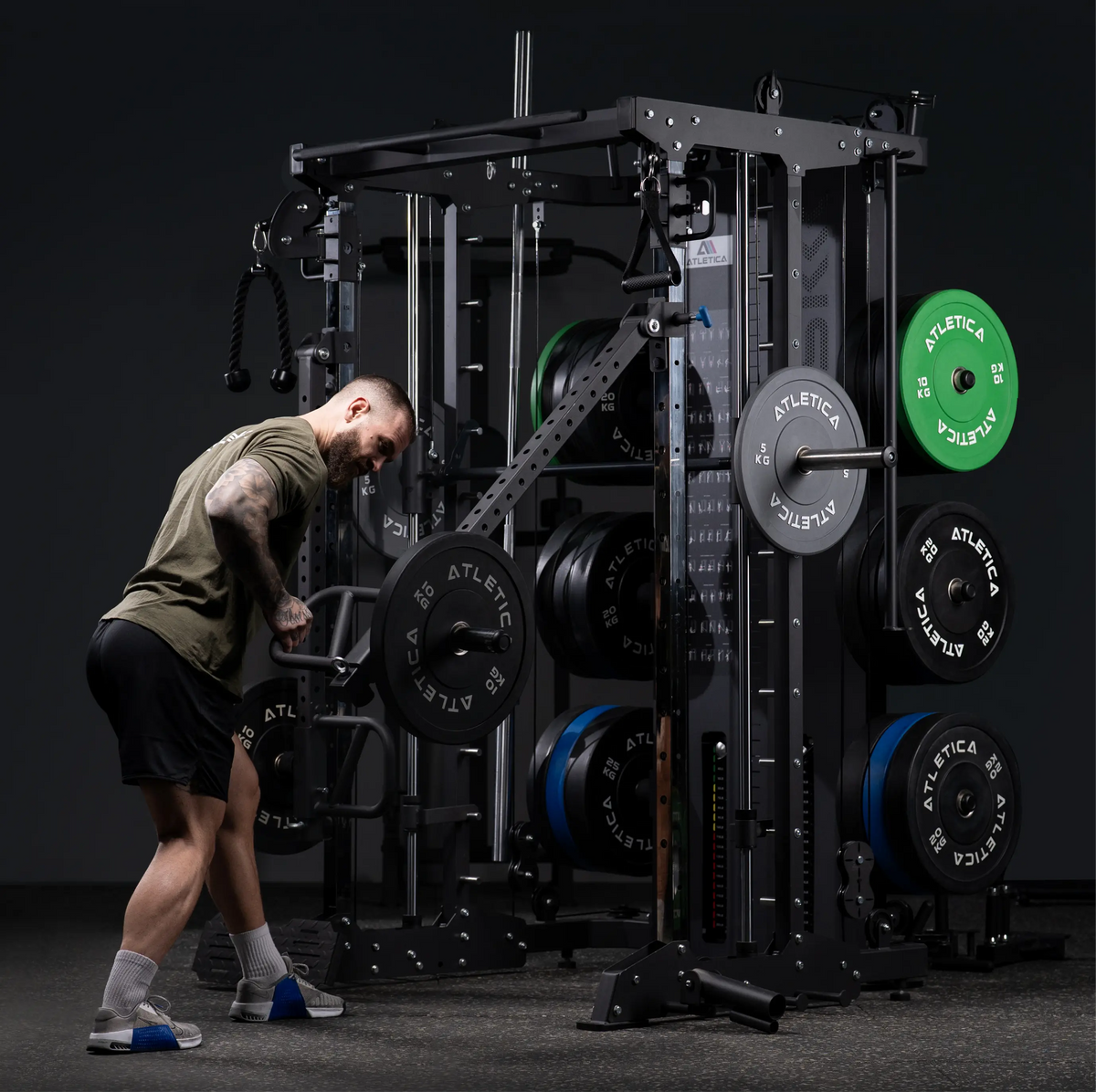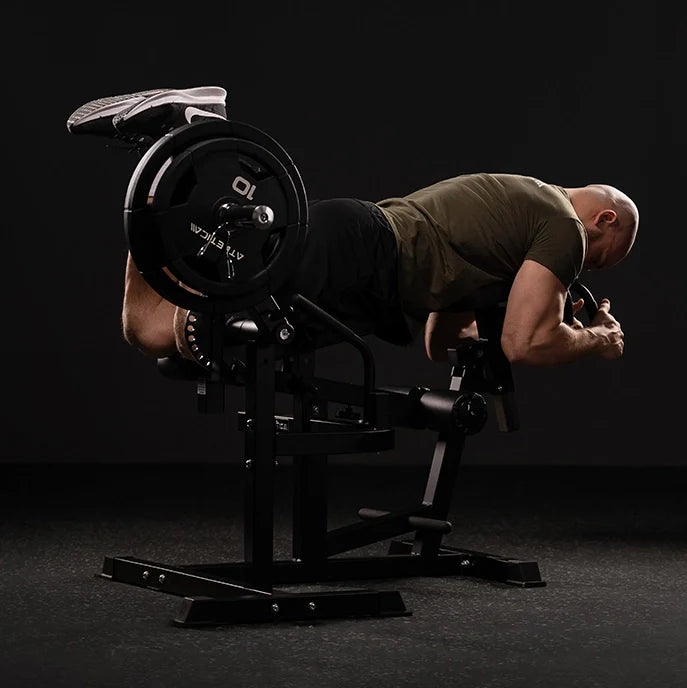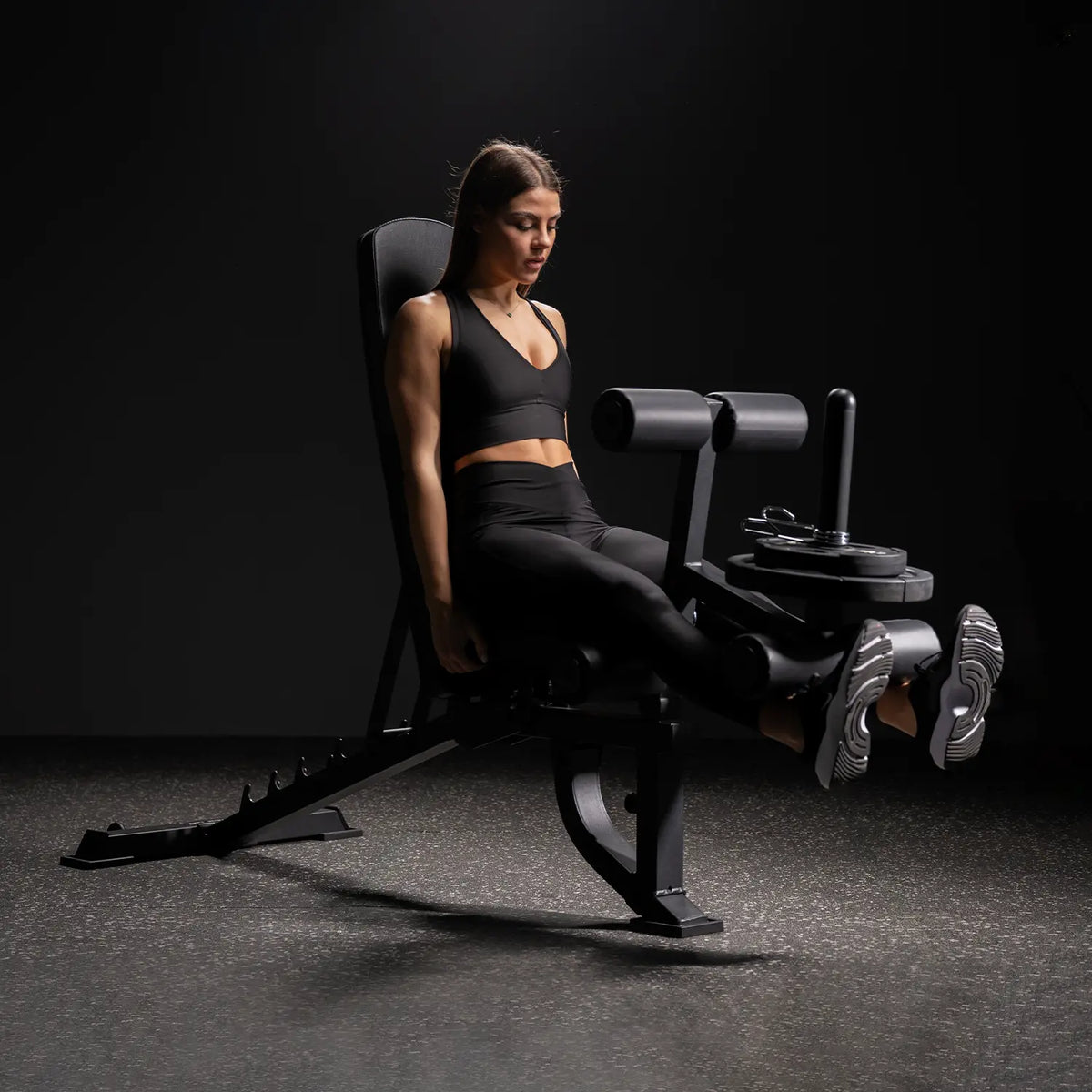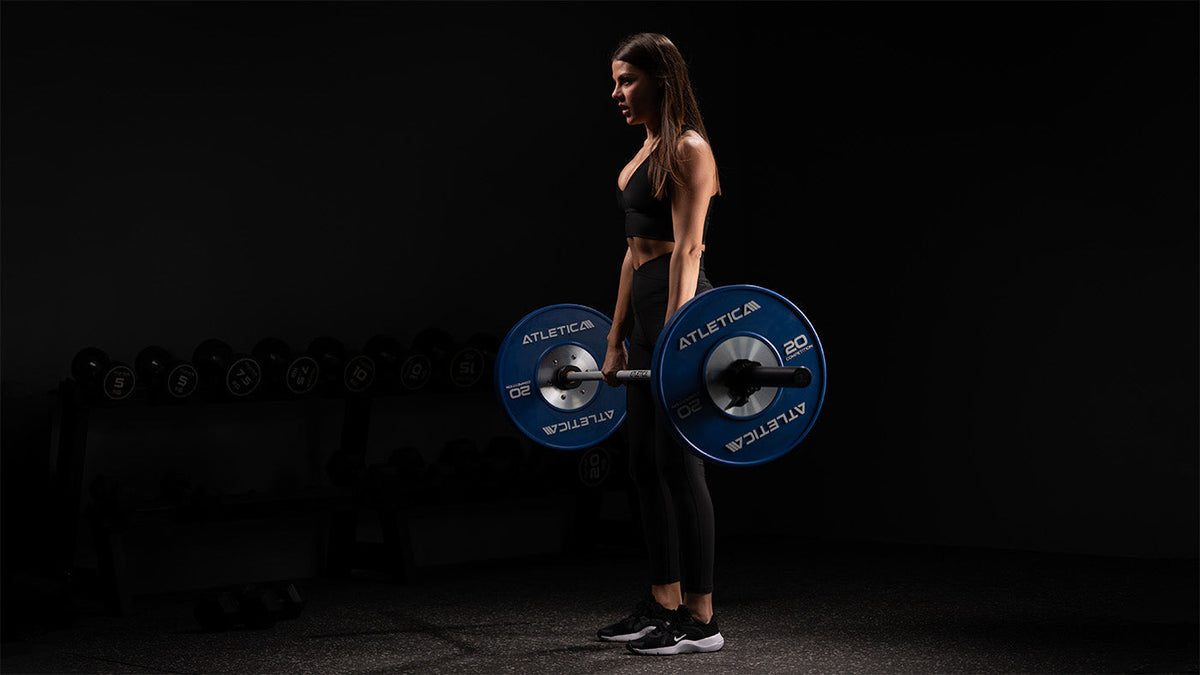
Weight plates are the foundation of every serious barbell strength program. In 2026 there are clearly distinct types, each optimized for different training styles, floors and noise requirements. Here you'll learn which plates exist, how they differ and which ones are the right choice for you.
Which main types of weight plates are there in 2026?
The key categories:
- Iron Plates (cast iron plates)
- Bumper Plates (rubber-coated Olympic plates)
- Gripper Plates (with grip cut-outs)
- Competition / Precision Plates
- Outdoor / High-Temp bumpers
- Fractional / Microplates (small add-on plates)
Iron Plates – the classic pick for heavy strength training
Iron Plates are made of cast iron and are the traditional solution for powerlifting and bodybuilding.
Pros:
- Very thin → you can load a huge amount of weight on the bar
- Cheap compared to bumpers
- Tough and long-lasting
- Classic “iron feel” and sound
Cons:
- Loud when you set them down
- Can damage your floor
- Not suitable for drops from height
- Can rust if you don't look after them
Ideal for:
Heavy squats, bench press, deadlifts and every exercise where you want to fit as many plates on the bar as possible.
Bumper Plates – the safe, floor-friendly solution
Bumper Plates have a steel core and a thick rubber or urethane coating. All weights share the same outer diameter (usually 450 mm).

Pros:
- Can be dropped from height (cleans, snatches, jerks)
- Protect your floor and your bar
- Considerably quieter
- Rust-free and more weather-resistant
- Uniform diameter makes handling easier
Cons:
- Thicker → fewer plates fit on the bar
- More expensive than Iron Plates
- On very heavy sets you need more room on the sleeves
Ideal for:
Olympic weightlifting, functional training and any Garage Gym where noise and floor protection matter.
Gripper Plates – the practical all-rounder
Gripper Plates (e.g. the 3H or 4H from Atletica) have built-in grip cut-outs and often a urethane coating.
Pros:
- Excellent handling (even heavy plates are easy to grab securely)
- Can be used as training tools without a bar (front raises, goblet squats etc.)
- More compact than classic bumpers
- Good mix of floor protection and loading capacity
Ideal for:
Garage Gyms where you want flexibility and comfort, and for anyone who also uses plates on their own.
Competition and Outdoor Plates
- Competition Plates: Very tight weight tolerance, minimal bounce, built for competition conditions.
- Outdoor / High-Temp Bumper: Developed specifically for extreme temperatures and weatherproof use outdoors. Highly resistant to UV and heat.
The main types head to head
|
Type |
Thickness / loading capacity |
Floor protection |
Noise |
Drop-friendly |
Price level |
Best use |
|
Very thin / high |
Poor |
Loud |
No |
Cheap |
Heavy powerlifting |
|
|
Thick / lower |
Very good |
Quiet |
Yes |
Higher |
Weightlifting, functional, Garage Gym |
|
|
Medium |
Good |
Medium |
Limited |
Medium |
All-round + handling |
|
|
Thick |
Very good |
Quiet |
Yes |
Higher |
Outdoor training |
|
|
Precise |
Good |
Very quiet |
Yes |
High |
Competition & precision training |
Which plates do you actually need for your setup?
What we recommend for most Garage Gym owners in 2026:
- Base: A solid bumper set (e.g. 230–350 lb) for versatility and floor protection
- Add-on: Iron Plates for heavy sets where you want more weight on the bar
- Optional: Gripper Plates for better handling and extra exercises
- Outdoor users: High-Temp or dedicated outdoor bumpers
If you mainly powerlift and have a tough floor, you can start with Iron Plates and add bumpers later. If you want to train quietly and protect your floor, or you do Olympic Lifts, go with bumpers from day one.

What to look for in 2026
- Bore diameter: 2" / 50 mm (Olympic standard) – fits every modern bar
- Weight tolerance: The tighter the better (under 1–2% is good)
- Material & coating: Urethane is more odor-neutral and often longer-lasting than standard rubber
- Shore hardness: Affects bounce and noise
- Grips: Make handling massively easier
Common questions about weight plates
Can I mix bumpers and Iron Plates?
Yes, and it's actually smart. Bumper Plates on the outside for protection, Iron Plates on the inside for more weight.
Do I really need colored bumpers?
Not necessarily, but the international color-coding standard makes it much faster to identify weights — and it looks professional.
How many plates do I need as a beginner?
A set of 230–350 lb (e.g. 2×25, 2×20, 2×15, 2×10, 2×5) is plenty to get started and will last you a long time.
Are pricey Competition Plates worth it in a Garage Gym?
Only if you need extremely precise weights and minimal bounce. For most people, a good standard bumper set is the better investment.
Key Takeaways
- Iron Plates = maximum loading capacity and cheap, but loud and hard on floors.
- Bumper Plates = safe, quiet and versatile – the best choice for most Garage Gyms.
- Gripper Plates = outstanding handling and extra exercise variety.
- Outdoor and Competition Plates versions solve specific requirements.
- The smartest strategy for 2026: Bumper Plates as your base + Iron Plates as an add-on for heavy sets.

Your next step
Want to find the right plates for your training?
Compare the current Atletica Iron Plates, Bumper Plates, Gripper Plates and outdoor versions. With the 100-day trial and the high material quality, you're taking no risk.
Book a free consultation or plan your weight plate setup straight away in the Training App.